
19-Year-Olds Made $100M+ from his AI Wrapper in <2 years, with 0 funding
Distribution Is King

Just two days ago, I shared the story of an AI platform that helps you start companies and generate revenue automatically. I just checked the latest numbers: its ARR has already surpassed $1.78M, a nearly $500K jump in just two days.

Meanwhile, Anthropic’s growth continues to shatter records. Its run rate was $9B at the end of last year, jumped to $14B a few weeks ago, and now has crossed $19B—almost $20B—in just a few weeks.
As Morning Brew founder Alex Lieberman put it, the crazier thing than a $5B increase in weeks is that AI is gobbling up trillions of dollars in white-collar work.
And now, the AI diet app Cal AI has officially been acquired by nutrition-tracking giant MyFitnessPal.
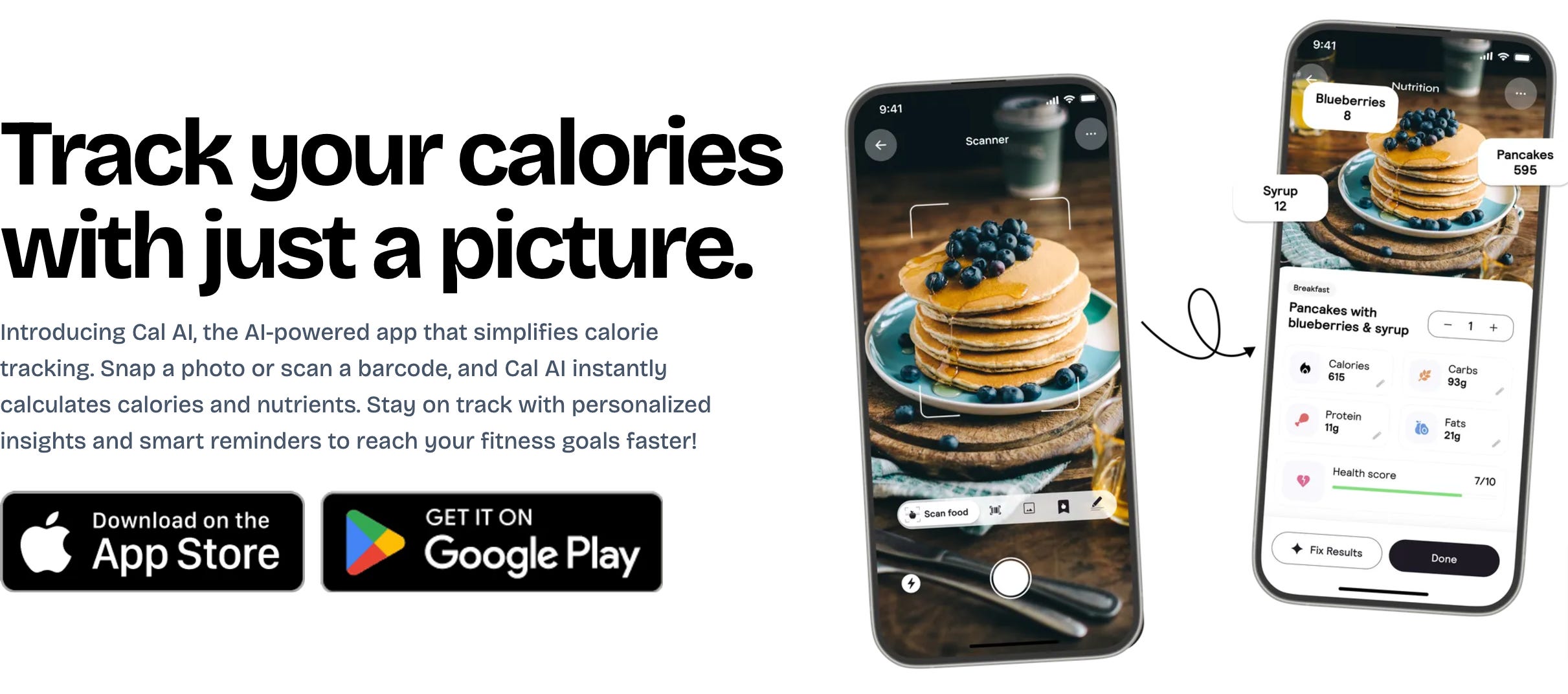
Founded less than two years ago by a handful of high school students, Cal AI uses AI to calculate the calories and nutrition of food from photos instantly. It quickly rose to the top of the app download charts, competing with MyFitnessPal itself, reaching around 15M downloads and hitting $30M ARR in 2025.
I first covered this app in July 2024, when its monthly revenue was just $300K. According to the latest update from co-founder Zach, Cal AI’s ARR has now surpassed $50M.
Zach revealed that the acquisition deal was actually finalized in December 2025, when he was only 18, but the news is just being announced now. The exact purchase price hasn’t been disclosed, but MyFitnessPal CEO Mike Fisher said the Cal AI team didn’t have to sell—they were simply happy with the offer.
Given Cal AI’s $30M ARR at the time, I think the deal likely ranges in the tens of millions, if not over $100M. Post-acquisition, Cal AI will continue to operate independently, with the seven-person team—including 19-year-old CEO Zach—joining MyFitnessPal and integrating into its massive food database of over 20 million items.
This acquisition is seen as one of the most strategic and forward-thinking moves in digital health in recent years. With over 20 years of history and 200M registered users, MyFitnessPal once dominated mobile health through its vast food database. But the rise of generative AI and multimodal visual recognition has made traditional manual entry apps vulnerable to replacement.
AI-Native Experience Meets Established Expertise
MyFitnessPal views the acquisition as a step toward expanding its AI-powered health product suite and attracting younger users. Cal AI offers a fully AI-native, effortless calorie-tracking experience, complementing MyFitnessPal’s traditional focus on detailed macro tracking.
Essentially, this reflects a broader strategy: instead of building from scratch, the legacy giant is absorbing external innovation to meet shifting user expectations.
Convenience Creates Value
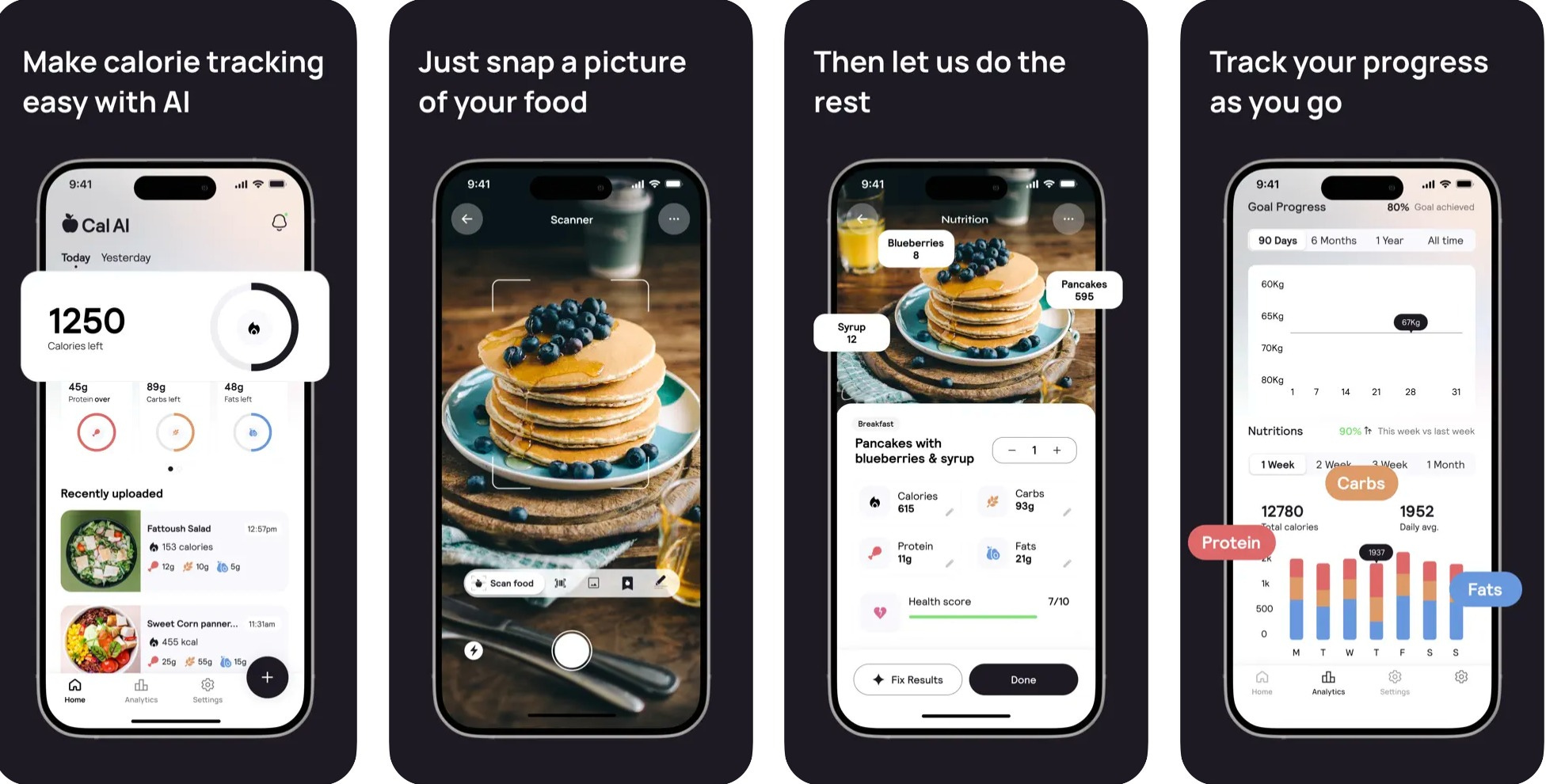
Cal AI’s core feature is simple: snap a photo of your meal, and AI instantly estimates calories and nutritional content. No tedious searches, weighing, or manual input. This resonates strongly with young users who prioritize speed over precision. Within its first month, Cal AI earned nearly $30K in revenue and quickly amassed millions of downloads, surpassing 15M overall.
The team claims the AI’s error margin is just ~10%, even exceeding FDA standards. Users describe the photo-to-AI workflow as “effortless tracking that makes sticking to a diet simple.” Cal AI’s target audience—young fitness enthusiasts focused on fat loss—prefers quick, AI-assisted logging, while MyFitnessPal’s traditional user base favors granular, customizable tracking.
Critics call it a “wrapper” app, noting it doesn’t build its own large-scale multimodal model, instead relying on APIs like OpenAI’s GPT series and Anthropic’s Claude. But this misses the point: commercial success in the AI era hinges on user experience and distribution efficiency.
Zach developed the app from personal frustration: as a skinny teen trying to gain muscle, he hated manual entry in existing apps. By removing that friction, Cal AI made calorie tracking as easy as snapping a photo—and proved a key lesson: in AI-driven verticals, seamless integration of AI into a specific user scenario creates outsized value.
Distribution Is King: Influencers and the “App Mafia”
If AI is Cal AI’s engine, its marketing is the turbocharger. Zach and his co-founders—including the so-called “App Mafia” members Blake Anderson (25) and Jake Castillo (28)—rented a $10M Miami mansion as a traffic lab, building an intricate influencer distribution system.
I’ve detailed their marketing approach. They collaborated with 150+ influencers, paying anywhere from $100 to $100K per post, and ran 12+ official TikTok accounts to test content. Their flashy lifestyle—luxury cars, mansion life, and social media spectacle—served as marketing itself, appealing to Gen Z’s belief that the right tools can lead anyone to rapid success.
In recent interviews, Zach says that after leveraging fitness influencer UGC to reach $2M in monthly revenue, the team scaled further with highly intuitive, pain-point-focused performance ads. Influencer content builds brand awareness, but performance ads deliver direct conversions.
Interestingly, even with this success, Zach was rejected by 15 top universities, including Harvard, Stanford, and Princeton, eventually choosing the University of Miami to “be with peers his own age” and treat college as a social experience rather than an academic one.
From $10 in the Bank to $100M+
Cal AI was founded in May 2024 in Zach’s New York home with just 3–4 people, funded entirely through early project income without outside investment. By the time of acquisition, the team had grown to ~30, with monthly revenue around $3M and net profit exceeding $1M. By January this year, monthly revenue hit $5.7M.
In a post-acquisition reflection, co-founder Jake Castillo shared a screenshot of his personal bank account from the night before Cal AI’s breakout—less than $10.

Cal AI’s journey and its young founders have sparked wide discussion, providing a motivational blueprint for other young entrepreneurs—especially impressive given it all happened without any outside funding.
Unsurprisingly, a wave of Cal AI clones has since emerged, also generating revenue.
A great case study showing that in the AI era, execution, user experience, and distribution often matter more than building the underlying technology itself