
Oura is now a $11B company: $1B Revenue, Sells 3M Smart Rings last year alone
Turning Unstructured Data Structured Raises $100M+ in 2 years

Smart ring company Oura today announced a massive $900 million new funding round led by Fidelity, bringing its valuation to $11 billion — more than double the $5.2 billion valuation it had late last year.
Oura’s total sales have surpassed 5.5 million rings, up from 2.5 million a year ago — meaning it sold roughly 3 million rings in the past year alone, a twofold increase. Revenue is expected to reach $1B this year, up from $500 million last year.
Oura Ring has clearly evolved from a niche gadget favored by early adopters into a mainstream consumer product, with its user base changing dramatically.
Dorothy Kilroy, Oura’s Chief Commercial Officer, recently noted that Oura initially attracted data enthusiasts and disciplined fitness types, but its core users today are health-conscious women in their 20s, focused on sleep and recovery.
Adoption is also rising among professionals and chronic-condition patients — over 50% of Oura users have chronic health issues, and engagement among older adults is high, prompting the company to work more closely with healthcare providers.
As the user base shifts toward younger women, Oura has been expanding into female-focused health features, including cycle tracking and reproductive insights, alongside its signature sleep and wellness monitoring.
Hardware and Software Evolution
The fourth-generation Oura Ring features a full titanium unibody (with dual temperature sensors), making it stronger and lighter than Gen 3. It improves SpO₂ signal accuracy, reduces heart rate gaps, and extends battery life to 8 days. Inside are multiple sensors tracking temperature, heart rate, HRV, and sleep stages around the clock.
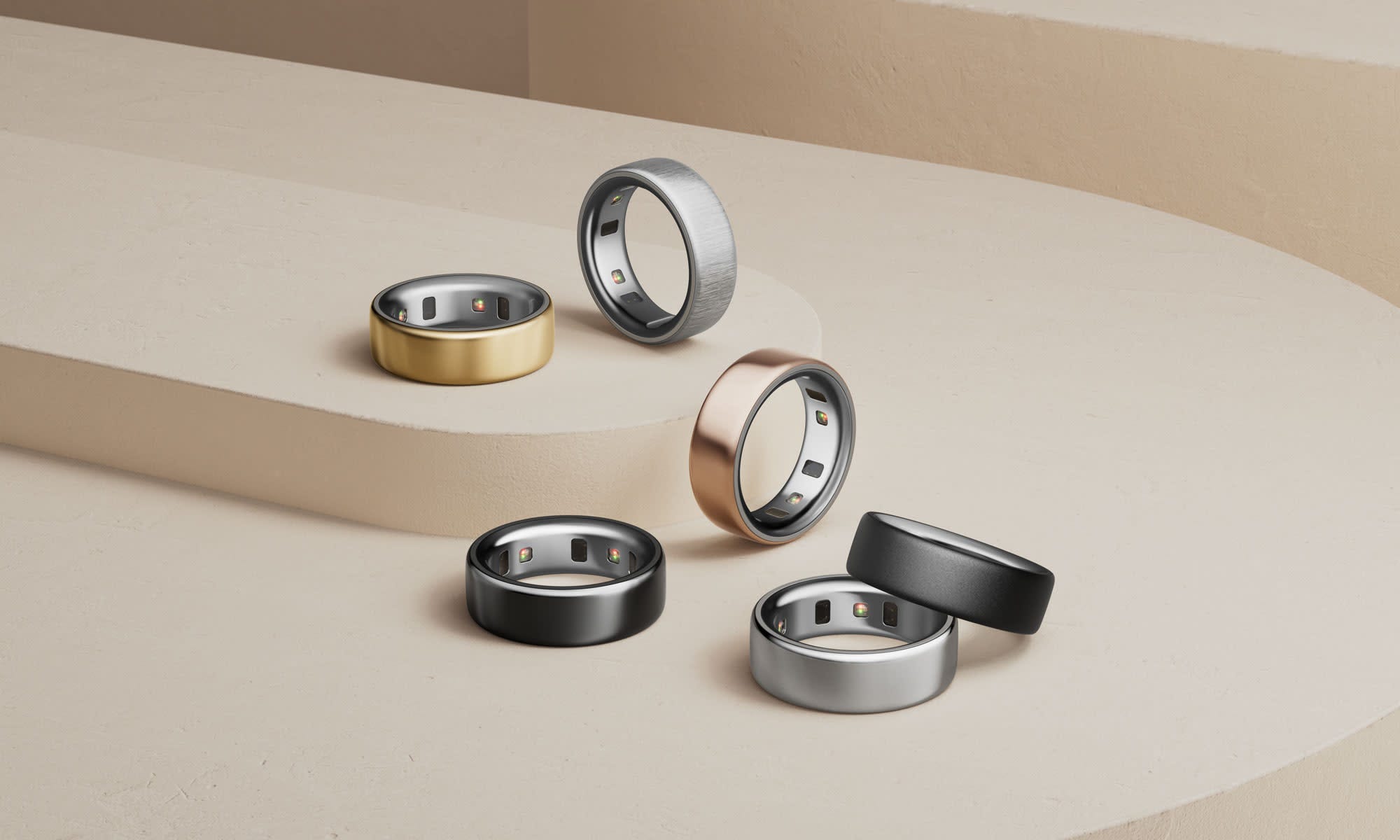
On the software side, the Oura App converts raw data into three key scores — Sleep, Activity, and Readiness. Recent updates introduced automatic heart rate zone detection during workouts and deeper female health insights, including ovulation prediction and fertility probabilities.
A new “Health Panels” service now lets users order lab tests (e.g., cardio-metabolic markers) within the app and sync the results into personalized health reports.
From Sleep to a Health Habit Platform
Oura’s Series B investor Forerunner recalls that when they invested in 2019, the company was a small, $20 million-valued gadget for geeks. But even then, it had a unique insight: health starts with sleep, not more activity.
Oura’s early pitch emphasized a single stat: fewer than 5% of people exercise regularly, but over 95% sleep every night. Oura was built for the 95% — to make everyone’s sleep (and health) better.
Since 2019, Oura’s revenue has grown 50×, expanding into a hardware + subscription model. About 51% of users use Oura to manage chronic conditions, and 11% are healthcare providers themselves.
Forerunner says Oura’s hardware builds a data moat, while its subscription revenue (now 20% and rising) drives engagement and retention. Unlike other companies chasing new features, Oura built something more fundamental — a daily health awareness habit, powered by technology that changes real behavior.
The company sold more rings last year than in all prior years combined. Forerunner believes Oura proves the future of health is not reactive “sick care”, but proactive, personalized daily health management.
Turning Unstructured Data Structured Raises $100M+ backed by Top VC in 2 years
At the same time, AI for unstructured data is hot.
